
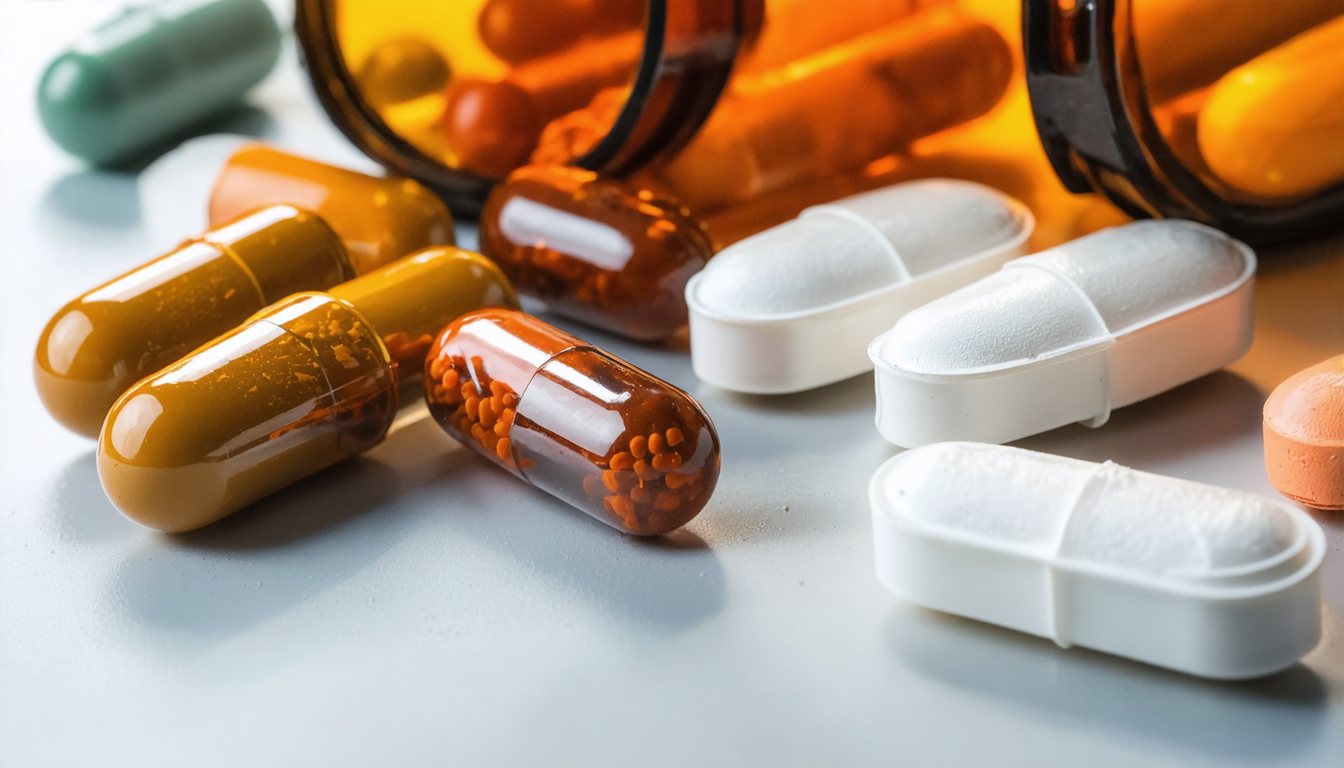
Performance Enhancement Drugs: Medical Overview, Risks and Practical Guidance
Disclaimer: This article is for educational purposes only and does not replace professional medical advice, diagnosis, or treatment. Performance enhancement drugs (PEDs) can pose serious health risks. Always consult a qualified healthcare professional before starting, stopping, or changing any medication or supplement.
Performance enhancement drugs are substances used to improve physical strength, endurance, cognitive function, sexual performance, or body composition. While some are legally prescribed for medical conditions, others are used off-label or illegally in sports, fitness, academic settings, and even gambling-related environments where alertness is valued. Understanding their mechanisms, benefits, and risks is essential for making informed decisions.
Key terms (glossary)
- Anabolic steroids
- Synthetic derivatives of testosterone used to increase muscle mass and strength.
- Androgens
- Male sex hormones (e.g., testosterone) responsible for male traits and muscle development.
- Erythropoietin (EPO)
- A hormone that stimulates red blood cell production to enhance oxygen delivery.
- Stimulants
- Substances that increase alertness, focus, and energy (e.g., amphetamines, caffeine).
- Human growth hormone (HGH)
- A hormone that promotes growth, cell repair, and metabolism regulation.
- Nootropics
- Compounds used to enhance cognitive performance, memory, or concentration.
- Selective androgen receptor modulators (SARMs)
- Experimental compounds designed to mimic anabolic effects with fewer side effects.
- Doping
- The use of prohibited substances or methods to gain athletic advantage.
- Testosterone replacement therapy (TRT)
- Medically supervised testosterone use for clinically confirmed deficiency.
- Cardiovascular risk
- The likelihood of heart attack, stroke, or other heart-related complications.
- Hepatotoxicity
- Liver damage caused by chemicals or medications.
- Dependence
- A physical or psychological reliance on a substance.
- Off-label use
- Using an approved medication for a purpose not officially authorized.
- Endocrine disruption
- Interference with normal hormone balance and signaling.
- Withdrawal symptoms
- Physical or psychological effects occurring after stopping a substance.
Clear explanation
1. Why people use performance enhancement drugs
Performance enhancement drugs are used in multiple contexts: competitive sports, bodybuilding, academic performance, workplace productivity, and even high-stakes environments such as professional gaming or casino-related settings where sustained attention may be perceived as advantageous. Motivations include faster muscle growth, improved stamina, enhanced focus, delayed fatigue, and aesthetic goals.
Medical use differs significantly from non-medical use. For example, testosterone replacement therapy is prescribed for documented hormonal deficiency, while anabolic steroid misuse often involves supraphysiological doses that increase risk.
2. How performance enhancement drugs affect the body
Different classes act through distinct biological mechanisms:
- Anabolic agents stimulate protein synthesis and muscle growth.
- Stimulants increase dopamine and norepinephrine, enhancing alertness.
- EPO increases red blood cell mass, improving oxygen delivery.
- HGH influences growth factors and metabolism.
However, these effects may disrupt natural hormone production, alter lipid profiles, raise blood pressure, and increase clotting risk. The imbalance between short-term performance gains and long-term health consequences is a central medical concern.
3. Manifestations and side effects
Side effects vary depending on the substance, dose, and duration of use. Common complications include:
- Acne and skin changes
- Gynecomastia (breast tissue growth in men)
- Mood swings, aggression, or depression
- Elevated blood pressure
- Liver enzyme abnormalities
- Infertility and testicular atrophy
Stimulant misuse may lead to insomnia, anxiety, arrhythmias, and dependence. Long-term anabolic steroid use is associated with cardiovascular disease and endocrine dysfunction. These issues are regularly discussed in medical Actualites and public health updates.
4. Diagnosis and medical evaluation
Healthcare providers may suspect performance enhancement drug use based on physical signs, laboratory abnormalities, or patient disclosure. Evaluation can include:
- Hormone panels (testosterone, LH, FSH)
- Liver function tests
- Lipid profile
- Complete blood count (for EPO misuse)
- Cardiac evaluation (ECG, echocardiogram if indicated)
Open communication with a physician is essential. Many complications are treatable if identified early.
5. Treatment and risk-reduction approaches
The safest strategy is avoiding non-prescribed performance enhancement drugs. For those already using them, supervised discontinuation may be necessary to prevent withdrawal symptoms and hormonal collapse. In some cases, endocrinological support is required.
Psychological counseling may help address body image concerns or performance anxiety. Educational resources in our Uncategorized health archive explore related behavioral patterns and prevention strategies.
Reader checklist
What you can do
- Seek medical evaluation before considering any hormone-related product.
- Verify whether a substance is legally approved and clinically indicated.
- Request baseline blood tests before and during treatment.
- Focus on evidence-based training, nutrition, and sleep optimization.
- Discuss mental health or body image concerns with a professional.
What to avoid
- Buying drugs from unverified online sources.
- Combining multiple performance enhancement drugs without supervision.
- Ignoring symptoms such as chest pain or severe mood changes.
- Assuming “natural” supplements are automatically safe.
- Using another person’s prescription medication.
When to see a doctor urgently
- Chest pain, shortness of breath, or irregular heartbeat.
- Severe headache or vision changes.
- Yellowing of the skin or eyes (possible liver injury).
- Sudden mood instability or suicidal thoughts.
- Signs of blood clots (leg swelling, sharp chest pain).
Quick reference table
| Term | In simple words | Why it matters |
|---|---|---|
| Anabolic steroids | Artificial testosterone | Can rapidly build muscle but increase heart and liver risk |
| EPO | Boosts red blood cells | May thicken blood and raise stroke risk |
| Stimulants | Increase alertness | Can cause addiction and heart rhythm problems |
| HGH | Growth hormone | May disrupt metabolism and joint health |
| SARMs | Experimental muscle drugs | Long-term safety not well established |
Specialist comment (generalized)
“From a medical perspective, the non-supervised use of performance enhancement drugs presents significantly greater long-term risks than most users anticipate. Even substances perceived as mild or ‘modern’ can alter cardiovascular and hormonal systems in unpredictable ways. Prevention, education, and early medical monitoring are key to reducing harm.”
Sources
- World Health Organization (WHO) – Doping and health risks.
- World Anti-Doping Agency (WADA) – Prohibited List and health consequences documentation.
- National Institute on Drug Abuse (NIDA) – Anabolic Steroids and Other Appearance and Performance Enhancing Drugs (Research Report).
- U.S. Food and Drug Administration (FDA) – Safety communications on hormone products and SARMs.
- Peer-reviewed reviews in journals such as The Lancet, JAMA, and Circulation. Specific data may vary by study and population.
